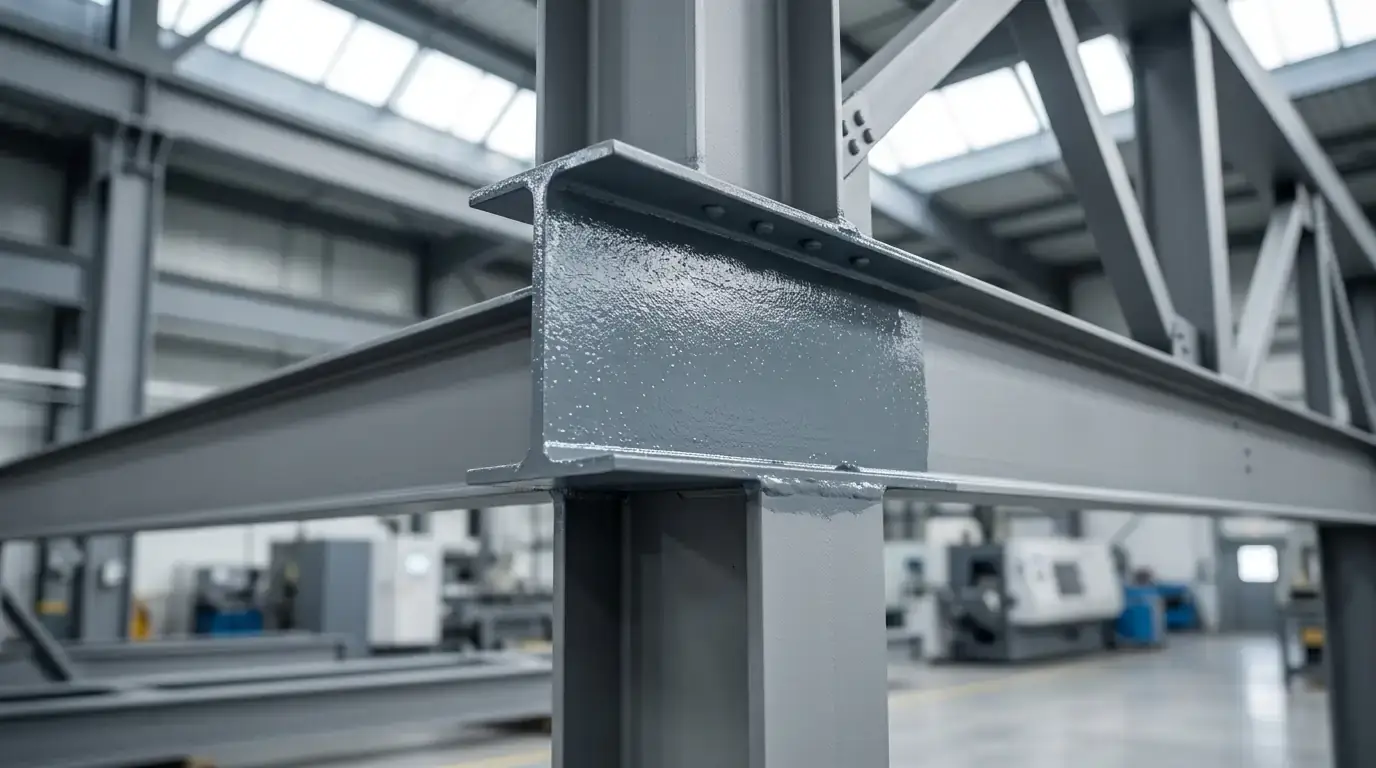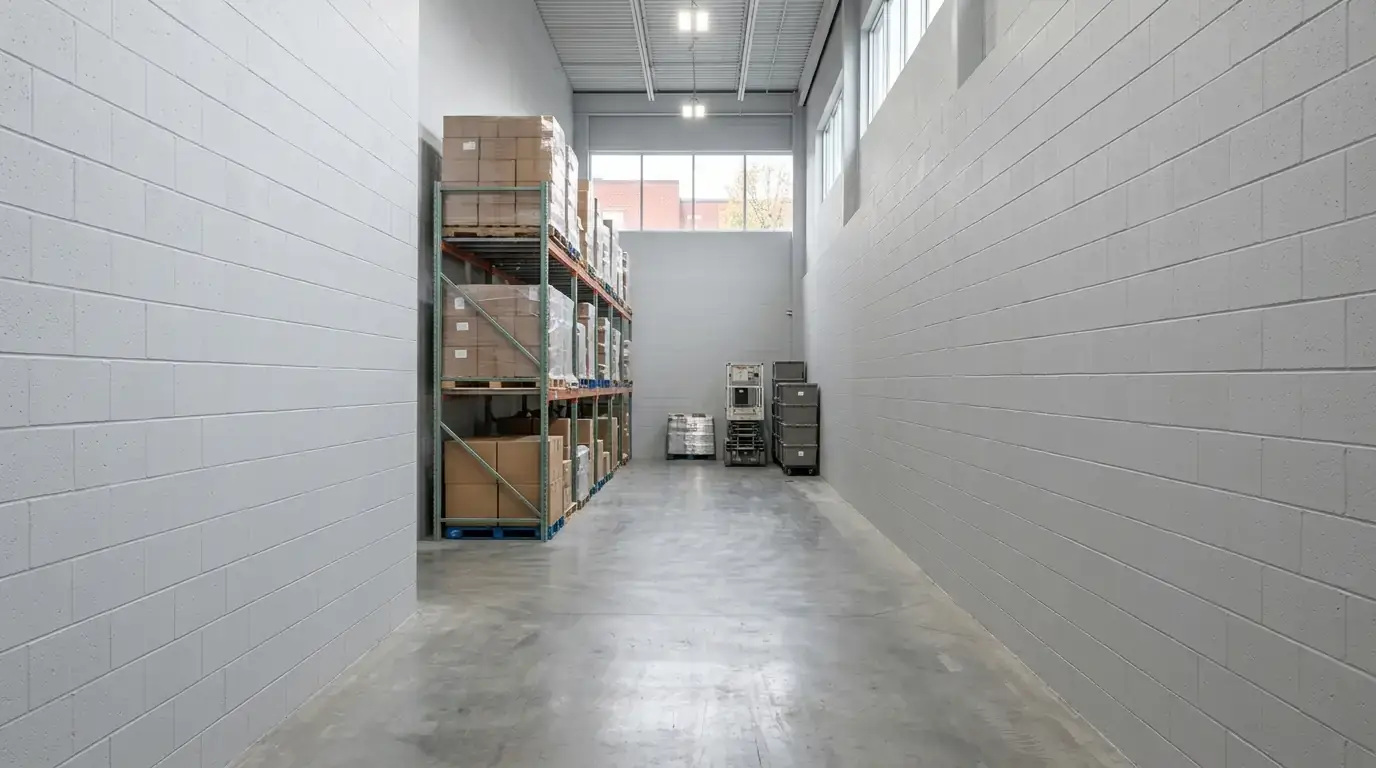
A warehouse can contain four completely different coating challenges within twenty metres: dusty block walls, rusting steel columns, battered drywall partitions, and a concrete floor that absorbs forklift traffic all day. Effective warehouse painting surfaces preparation scheduling treats those as separate jobs that happen to share one building because that is exactly what they are.
Before anyone picks a product, walk the facility with operations in mind. Map the surface, its condition, the access equipment it needs, and the business activity around it. A beautiful coating plan is not much help if the lift blocks receiving, the floor cure shuts down the only forklift aisle, or inventory is still sitting under the spray zone.
Survey the Facility Before Selecting a Single Product
Before selecting paint, create a simple map of the warehouse. Mark the major surface types and the operational zones around them.
- concrete block or masonry walls
- drywall office or support areas
- structural steel columns and beams
- metal doors, frames, railings and guards
- high-bay ceilings and exposed deck
- concrete floors
- loading docks and receiving areas
- warehouse racking and protected inventory zones
- forklift routes and pedestrian aisles
- mechanical, electrical and life-safety equipment that must remain accessible
This map turns a vague repaint into a sequence of smaller scopes. Each zone can then be matched to preparation, coating, access, isolation and timing requirements.
Masonry: Porosity, Dust and Old Coatings Change the Job
Warehouse masonry can be porous, dusty, previously painted, patched, stained or exposed to repeated cleaning and impact. Before coating, inspect for loose material, failed paint, cracks, efflorescence, moisture-related staining, dust and contamination.
Porous masonry often needs a primer or sealer selected for masonry rather than a generic metal or drywall primer. Sherwin-Williams currently lists LOXON Concrete & Masonry Primer/Sealer for porous masonry surfaces such as concrete, brick, stucco and plaster. That does not mean one product is correct for every warehouse. It illustrates why the substrate should control the system.
For manufacturer background, see Sherwin-Williams concrete preparation guidance.
If the existing wall is already painted, preparation depends on how well that coating is bonded. Sound paint may need cleaning, dulling or localized repair. Peeling, chalking or poorly bonded material needs to be addressed before another finish coat is applied.
Steel Needs More Than a Colour Change
Steel is a different problem. The important questions are whether rust is active, whether the existing coating is sound, whether the steel is exposed to moisture or chemicals, and which topcoat will be used.
Sherwin-Williams currently describes Pro Industrial Pro-Cryl Universal Acrylic Primer as a rust-inhibitive, corrosion-resistant primer designed for construction and maintenance applications under high-performance topcoats. That supports the general principle that exposed or prepared steel may require a corrosion-control primer system rather than the same primer used on masonry.
Surface preparation can range from cleaning and localized abrasion to more intensive mechanical or abrasive preparation, depending on rust, contamination, coating failure and the selected coating specification. Do not specify blasting or another aggressive method automatically. The required preparation should come from the real condition and the exact coating system.
Treat Office Areas as a Separate Scope From the Warehouse Floor
Warehouse offices, lunchrooms, corridors, washrooms and enclosed support rooms often contain ordinary drywall rather than industrial masonry or steel. These areas may need familiar interior preparation such as patching dents, repairing corner damage, sanding repairs, spot priming and applying an interior finish chosen for traffic and cleaning demands.
Keeping these areas separate from the warehouse floor plan makes scheduling easier. An office repaint may be completed during a short access window while a floor-coating zone may require much longer isolation.
A Forklift Floor Is Not a Horizontal Wall
A warehouse floor should not be treated as a large horizontal wall. Forklifts, pallet movement, rolling loads, cleaning, oils, abrasion and traffic can require a resinous floor system designed for industrial service.
Sherwin-Williams currently lists Armorseal 8100 as a two-component water-based epoxy floor coating designed for commercial, industrial and residential concrete floors. The important planning lesson is not the brand name. It is that industrial floors use their own coating systems, and those systems have preparation and cure requirements that differ from wall paint.
Before coating a floor, inspect concrete condition, contamination, previous coatings, repairs, cracks, moisture conditions, traffic needs and drainage. Oil, curing compounds, sealers, weak concrete, moisture problems or poorly bonded old coatings can affect adhesion and may require additional preparation or a different system.
“Dry” and “Ready for Forklift Traffic” Are Not the Same Milestone
There is no single warehouse downtime requirement that applies to every project. Wall painting may allow an aisle or zone to reopen quickly after tools, lifts and masking are removed. Resinous floor systems can require separate windows for application, overcoating, foot traffic, light traffic and full service.
Floor-coating data sheets commonly separate recoat, foot-traffic, heavier service, and full-cure milestones. Those are not interchangeable. A facility manager should ask for the current technical data for the exact floor system being proposed and build the handback time around the service the floor will actually see.
“Back in service tomorrow” is not a useful schedule unless the product, slab temperature, ventilation, traffic level, and site conditions support it. Forklifts are particularly unforgiving quality-control inspectors.
Schedule Around the Work That Still Has to Happen
A good industrial painting schedule starts with the facility’s real workflow. Identify:
- shipping and receiving peaks
- forklift routes
- inventory that cannot be moved
- production or picking zones
- employee entrances and exits
- emergency routes
- cleaning shifts
- maintenance shutdowns
- weekend or off-hours access
- building security and alarm procedures
- lift access and charging areas
Then decide whether the work can be completed by zone. Current Ontario warehouse painting companies commonly describe off-hours, weekends, planned shutdowns and phased sections as ways to reduce disruption. These are scheduling options, not guarantees that every facility can remain fully operational.
How an Active Zone Moves From Production to Paint and Back Again
- Define the zone. Mark the exact walls, steel, doors, ceilings or floors included in that phase.
- Confirm operational restrictions. Identify when the zone can be isolated and which aisles, doors, docks or equipment must stay available.
- Protect inventory and equipment. Move what can be moved and protect what must remain.
- Clean the surface. Remove dust, oils, grease, salts, loose material and other contamination using methods appropriate for the substrate.
- Repair defects. Address cracks, damaged masonry, drywall defects, loose coatings, failed caulking, concrete damage or corroded areas as required.
- Prepare the substrate. Sanding, abrasion, mechanical preparation or other methods should match the surface condition and coating specification.
- Prime where required. Use a primer appropriate for masonry, steel, drywall, concrete or another substrate.
- Apply the finish system. Follow the current technical instructions for temperature, humidity, ventilation, film thickness, recoat timing and application method.
- Inspect before handback. Check coverage, missed areas, overspray control, repairs, edges, floor markings and protected equipment.
- Return the zone to service. Remove equipment and barriers only when the work and coating cure milestone allow it.
Protection Has to Match What Is Sitting Beside the Work
Warehouse protection is not simply a matter of putting plastic over a desk. A work zone may contain finished goods, open racking, packaging, conveyors, electrical panels, scanners, cameras, dock equipment, fire-protection components, and machinery that cannot tolerate dust or overspray.
Before preparation begins, identify what can be moved, what must stay, and what cannot be covered because it needs ventilation, monitoring, or emergency access. The protection plan should also account for how the crew will reach the surface. A perfectly masked rack is not helpful if the lift cannot turn at the end of the aisle.
Dust-producing preparation deserves its own boundary. If sanding, grinding, scraping, or mechanical surface preparation is required, decide how debris will be contained and cleaned before nearby operations restart. Spray application needs an even more deliberate isolation plan because fine overspray can travel farther than a roller ever will.
Facility managers should also identify sensitive alarms, detectors, cameras, sprinkler components, signs, labels, and control equipment before coating begins. These items may need protection, but they should never be casually painted over or blocked from service. The work plan should state who is responsible for protecting them and confirming they are clear at handback.
High-Bay Work Turns Access Into Part of the Scope
High ceilings introduce access and overspray considerations that do not exist on ordinary walls. The facility manager should identify lighting, conduit, sprinkler piping, ductwork, sensors, cameras, signs, fire-protection equipment and other components that must be protected or remain accessible.
Lift placement can also interfere with active aisles and racking. The schedule should define where lifts can travel, where they can be parked, and how work at height affects traffic beneath the work zone.
If spray application is proposed, isolation and protection requirements become even more important. Overspray should not be allowed to settle on inventory, equipment, vehicles or sensitive systems.
Docks and Doors Take Abuse the Broad Walls Never See
Loading areas often receive impact, dirt, moisture and frequent traffic. Dock walls, metal doors, frames, bollards, guardrails and corner protection should be inspected separately from broad warehouse walls.
A worn metal door may need rust preparation and a metal primer while the adjacent masonry wall needs a masonry-compatible system. Treating both with one universal coating simply because they are beside each other is poor planning.
Where Warehouse Repaints Usually Get Complicated
- Choosing one paint system for every surface. Masonry, steel, drywall and concrete floors have different needs.
- Scheduling before inspecting the surfaces. Repair and preparation can consume more time than expected.
- Ignoring forklift and inventory movement. Access problems can stop a well-planned coating sequence.
- Using floor cure time as a guess. Follow the exact product’s traffic and cure instructions.
- Assuming off-hours eliminate all disruption. Some zones still need isolation after the crew leaves.
- Failing to protect equipment and inventory. Dust and overspray control should be part of the work plan.
- Leaving handback criteria vague. Define what must be inspected before operations resume.
Zone Handback: Operational Ready, Not Just Coat Applied
Before removing barriers, inspect the zone with both the painting contractor and the person responsible for operations. Confirm that:
- the specified surfaces are complete
- repairs are visually acceptable
- the coating has reached the required traffic or service milestone
- masking and temporary protection have been removed
- inventory and equipment are clean
- aisles, exits and doors are clear
- lifts, tools and waste have been removed
- floor markings or safety colours are complete where included
- no touch-up areas remain in active traffic paths
This handback step matters because the painting shift can be finished before the operational zone is actually ready.
Warehouse Painting Questions Answered
Can warehouse painting be done while the facility is operating?
Often yes, but only when access, isolation, coating method, ventilation, inventory protection, traffic routing, and cure requirements can all be satisfied simultaneously. Wall painting in isolated zones is frequently manageable during operations. Floor coatings almost always require that the affected aisle or zone be taken offline for the application and cure period.
What primer should be used on warehouse concrete block?
Match the primer to the actual masonry condition and the finish system being installed. Porous, bare masonry may require a dedicated masonry primer or sealer. Previously painted block depends on the condition of the existing coating. Sound paint may need a different approach than peeling, chalky, or poorly bonded material. There is no one-size-fits-all masonry primer for warehouse walls.
How should rusty structural steel be prepared?
The preparation method depends on rust severity, contamination level, existing coating condition, and the specified system. Light surface rust may need cleaning and abrasion. More extensive corrosion or coating failure may require mechanical preparation before a corrosion-resistant primer is applied. Do not assume all rust looks the same or requires the same fix. Let the surface condition and coating specification drive the decision.
How long does a warehouse floor coating need before traffic returns?
There is no universal number. Check the exact product’s current technical data sheet. Most resinous floor systems publish separate milestones for foot traffic, light traffic, heavy traffic, and full cure. Slab temperature also matters: cold concrete significantly extends cure time even when air temperature feels acceptable. Never return forklifts to a floor coating based on elapsed time alone.
Should a warehouse repaint be planned by room or by zone?
By zone, in almost every active facility. A useful zone aligns the surface type with real operational boundaries: aisles, dock doors, receiving areas, racking sections, or production areas. Zones give the painting contractor clear access windows, let you phase work around operations, and create unambiguous handback criteria. Rooms are a convenient concept for offices. Warehouses are managed differently.
A Good Warehouse Paint Plan Still Works on Monday Morning
A strong warehouse painting surfaces preparation scheduling plan connects the real substrate to the real operating constraint. Map the facility first, identify surface conditions, choose preparation and coating systems by substrate, and then phase the work around access and cure requirements.
For a broader overview, see industrial painting in Toronto.
For a warehouse project, the useful quote starts with the zones, surfaces, access limits, and handback requirements rather than one total square-foot number. PaintersInToronto.ca can route a quote request to one licensed and insured independent painting company. Any resulting service agreement is made with that contractor. For direct contact, call (647) 532-9046 and Ask for SUNNY.